







Search Results for: altitude classification

What are Geisha coffee beans? The origin of Geisha coffee beans, recommended origins, prices, varieties, grade classifications, and an introduction to their flavor characteristics
Some people say Geisha coffee is so expensive, but what exactly does Geisha coffee taste like? Front Street believes that when you drink Geisha coffee, it feels less like a cup of coffee and more like a cup of fruit-and-flower tea. Because of different growing regions, the flavors that Geisha coffee presents also vary, but overall, Geisha coffee naturally carries a kind of [more…]
A Complete Guide to Arabica Coffee: From Botanical Classification to Variety Characteristics and Origin Distribution
What exactly does a coffee tree look like? What is the essential difference between Arabica and Robusta? Starting from botanical classification, this article systematically sorts out the complete classification system of the genus Coffea and explains in detail the origins, growing conditions, flavor characteristics, and main subspecies of the two major commercial varieties, Arabica and Robusta. You will learn about the anatomical structure of the coffee cherry, the spread paths of classic subspecies such as Typica and Bourbon, and the genetic connections between Yunnan small-bean coffee and Blue Mountain and Kona. Whether you are a beginner enthusiast or a seasoned professional, this basic knowledge about coffee varieties is worth reading. Front Street Coffee will also recommend variety information worth paying attention to in this article. [more…]

Home Coffee Beans | Which Tastes Better: Single-Origin, Pour-Over, or Blend Coffee? Must-Buy Quality Coffee Bean Recommendations for Beginners Using Pour-Over, Espresso, or Moka Pot
If you enjoy drinking coffee, you may come across several terms related to coffee bean classification: "blended coffee beans," "single-origin coffee beans," and "pour-over coffee beans." In this article, we will uncover the meanings behind these terms and help beginners understand how to choose the right coffee beans for home use. 1. Blended coffee [more…]
A Comprehensive Analysis of the Definition of Specialty Coffee and the Main Cultivated Varieties of Arabica
Specialty coffee is centered on carefully cultivated high-altitude Arabica, and its varietal system originates from two ancient bloodlines: Typica from Ethiopia and Bourbon from Yemen. This article systematically outlines the definition of specialty coffee and provides a detailed classification of major Arabica varieties, including Typica, Bourbon and their genetic mutations, intraspecific hybrids, and interspecific hybrids. It covers varieties such as Bourbon Pointu, Maragogipe, Geisha, SL28, Caturra, and Pacamara, while also explaining the position of hybrid varieties in specialty coffee and the key influence of producing estates on flavor differences. [more…]
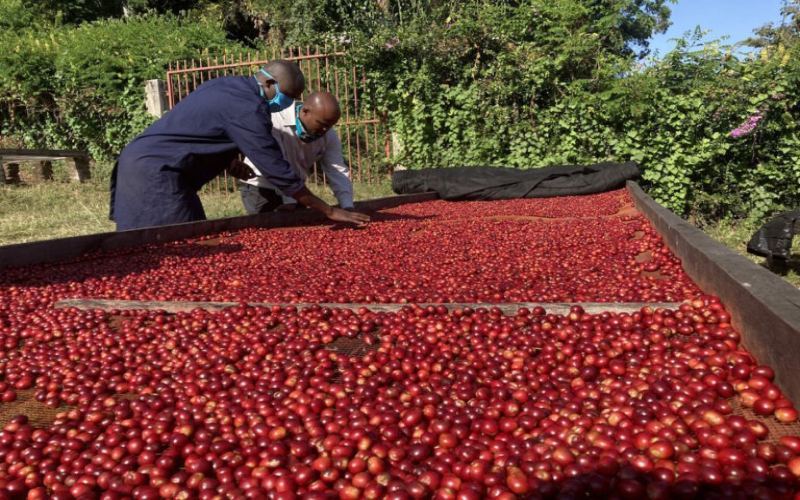
Complete Guide to Kenya PB Round Beans: From SL28 and SL34 Varieties to the K72 Washed Process
Although Kenya is not the birthplace of coffee, its high altitude, large day-night temperature difference, and phosphorus-rich soil give rise to coffee beans with a distinct flavor. This article will guide you through Kenya's coffee-growing geography, the origins of the SL28 and SL34 varieties, the AA and AB grade classifications, and exactly what the unique PB round beans are. At the same time, we will also introduce the Kenya 72-hour washed processing method (K72) recommended by Front Street Coffee, and how to brew a cup of Kenyan coffee with bright acidity and rich layers using the pour-over method. [more…]
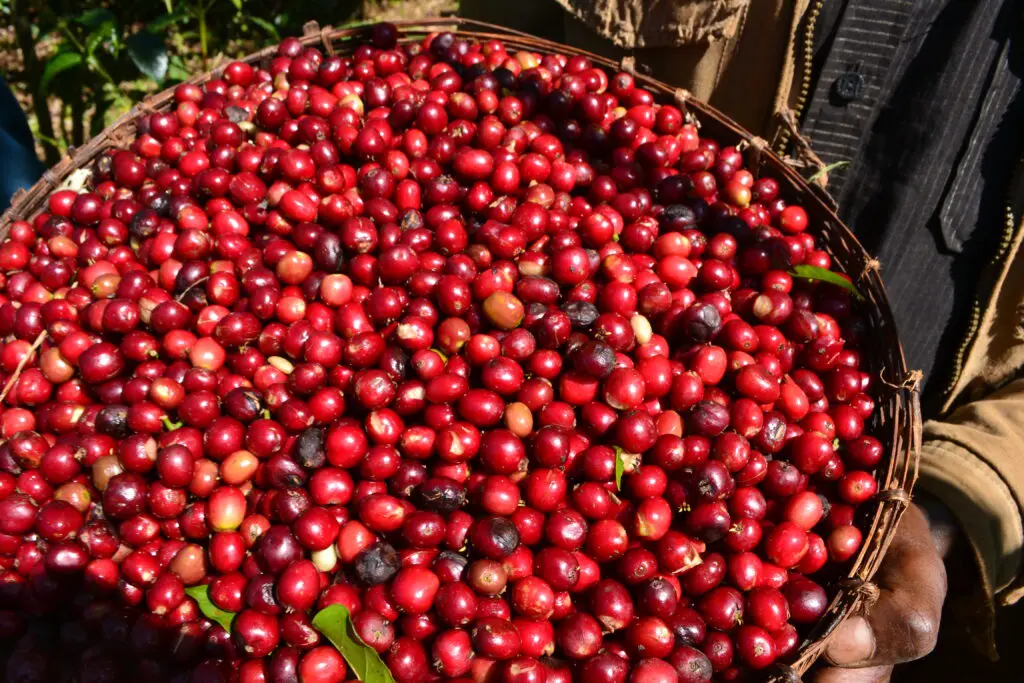
The Origin Story of Yirgacheffe | What Are the Flavor Characteristics of Ethiopian Coffee? How to Brew a Washed Yirgacheffe Gedingding Pour-Over Coffee?
When it comes to coffee with floral and fruity aromas, Front Street Coffee immediately thinks of Yirgacheffe. Although Geisha coffee also has floral and fruity aromas, when it comes to which is better, Front Street Coffee still believes Yirgacheffe's is more vivid. Yirgacheffe is a specialty coffee region in Ethiopia. It originally belonged to the Sidama region, but because of its unique flavor it was [more…]
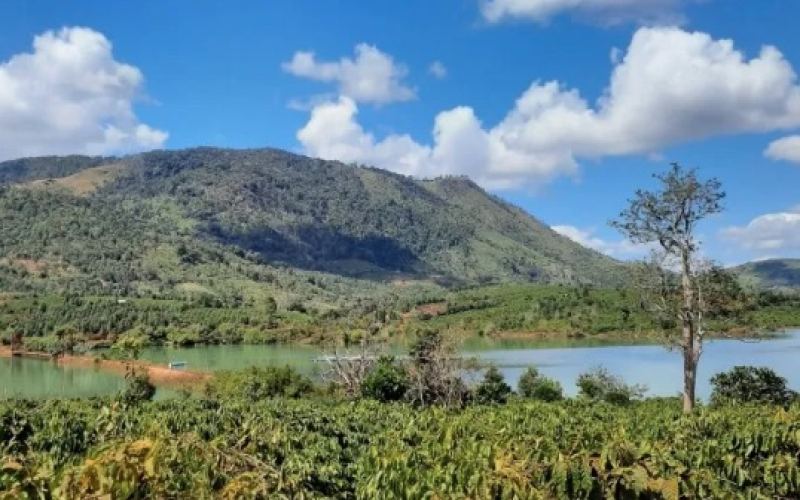
Introduction to coffee varieties in the coffee-producing areas of Vietnam.
Vietnam | Introduction to the planting environment of coffee producing areas and coffee varieties. In Asia, there are many coffee-producing countries, such as Laos, Indonesia, Timor-Leste, China, and Vietnam, among which Vietnam is the world's second [more…]
Comprehensive Comparison of Blue Mountain Coffee and Yirgacheffe: Analysis of Origins, Varieties, Flavor Profiles, and Brewing Key Points
In the world of specialty coffee, Jamaican Blue Mountain and Ethiopian Yirgacheffe stand as the ultimate representatives of two distinct styles. The former is renowned for its nutty and chocolatey notes and its balanced ratio of acidity, sweetness, and bitterness, while the latter has won over countless palates with its jasmine florals and bright fruity acidity. Which one is better? Front Street Coffee believes that drinking coffee is an extremely subjective matter—rather than debating who comes out on top, it is better to analyze them one by one, from origin terroir, variety characteristics, to processing methods, and then make a judgment based on your own taste preferences. This article will guide you through a complete understanding of the unique qualities of these two coffees, covering producing region background, grade classification, variety differences, brewing parameters, and more. [more…]
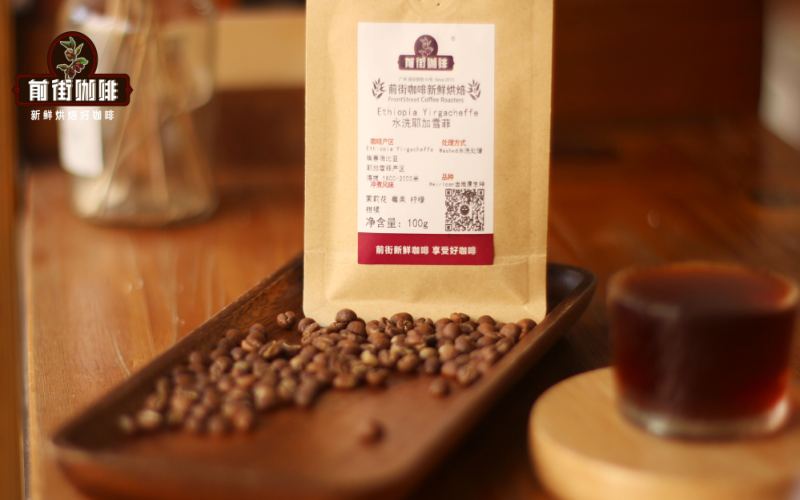
Yirgacheffe Coffee Region | Why Are Most Ethiopian Coffee Beans Washed? Recommended Newbie-Friendly Light Roast Pour-Over Coffee Beans
High-value Yirgacheffe recommendation. Front Street Coffee washed Yirgacheffe coffee beans. Region: Ethiopia Yirgacheffe. Altitude: 2300 meters. Variety: heirloom. Processing method: washed. Flavor notes: lemon, citrus, tea-like, honey, berry. Recommended because: classic Yirgacheffe flavor, affordable price, can be brewed [more…]
From Botanical Characteristics to Harvesting and Processing: Essential Knowledge and Coffee Bean Understanding for Coffee Beginners
For those who are new to coffee, understanding its essence, botanical characteristics, growing conditions, and harvesting process is the first step toward building systematic knowledge. This article will unfold around the basic concepts of coffee, sorting through key points one by one—from the morphology of the coffee tree, variety classification, and suitable growing environment, to the harvest periods and green bean processing methods of major global producing regions. The article also covers related product information recommended by Front Street Coffee, as well as the specific practices of Macado specialty beans in quality control. Whether you are a coffee enthusiast or a barista just starting out, this content can help you more clearly understand the full story behind a cup of coffee. [more…]
Coffee Shop Pour-Over Single-Origin Bean Recommendations | What Is the Indonesian Wet-Hulling Process? Guide to Golden Mandheling Pour-Over Coffee: Coffee-to-Water Ratio, Water Temperature, and Extraction Time
Indonesian coffee beans are famous for their rich aroma and mellow taste, with a delightful sweet aftertaste, which has made many coffee lovers fall in love with the coffee beans from this region. Among them, Indonesian Mandheling is the most representative. Many people know that Mandheling has many different classifications, such as Front Street Coffee (Fr [more…]
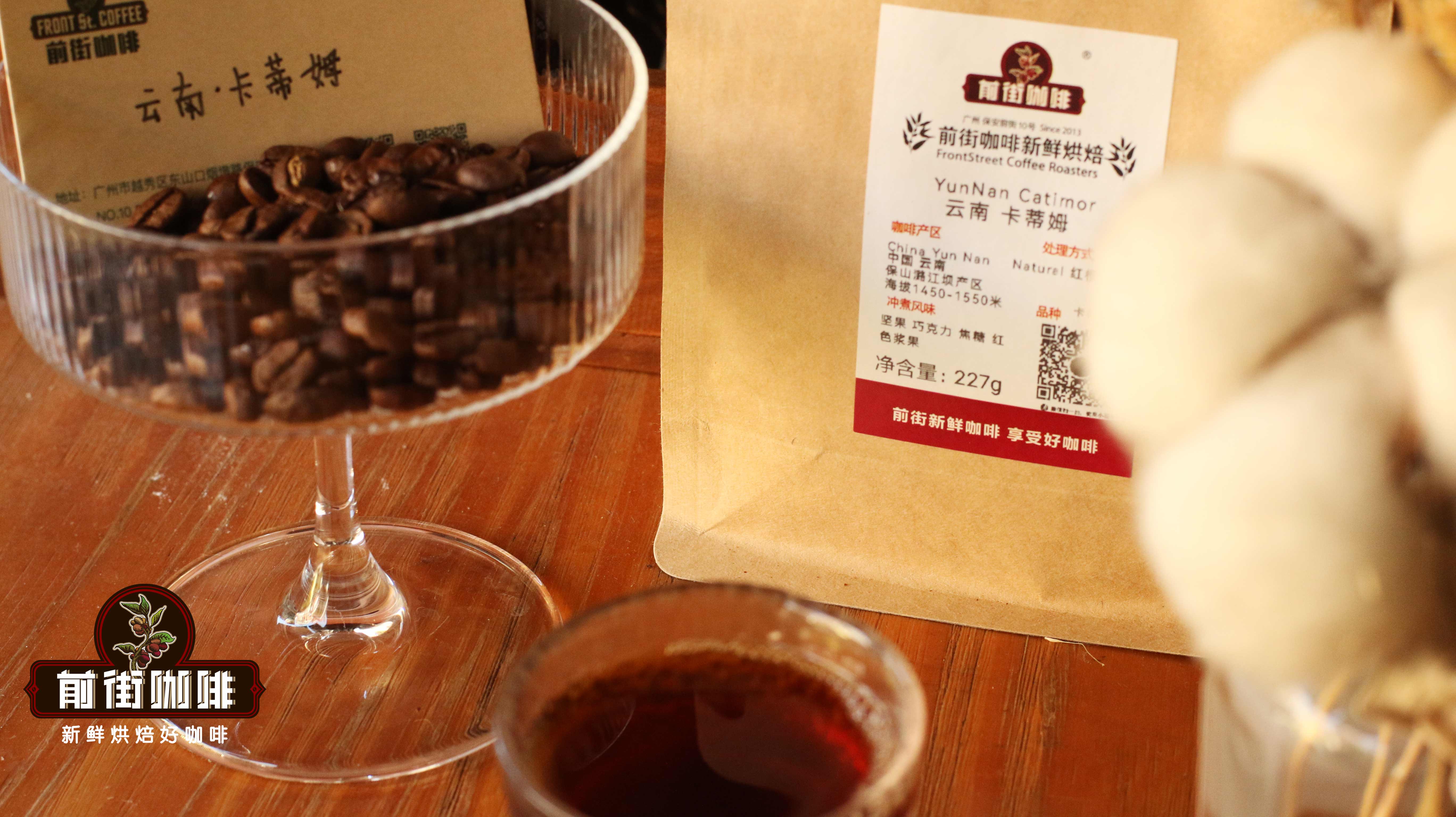
Analysis of Yunnan small-bean coffee varieties: From Catimor to Typica—flavors, origins, and brewing suggestions
Yunnan, as the core coffee-growing region in China, nurtures small-bean coffee that is rich but not bitter, aromatic but not harsh, with a slight fruity note, thanks to its low latitude, high altitude, and abundant rainfall. The most common variety on the market is Catimor, but a small amount of Typica is still grown—for example, Front Street Coffee's estate in Lincang cultivates Typica. This article systematically reviews the variety classification, morphological characteristics, main producing regions, processing methods, and brewing parameters of Yunnan coffee, and includes flavor descriptions of Front Street Coffee's washed Yunnan small-bean, natural Catimor, and 2013 natural Typica, helping enthusiasts gain a comprehensive understanding of Yunnan coffee's past and present. [more…]
Arabica, Robusta, and Liberica: A Comprehensive Analysis of the Characteristics and Cultivation Grading of the Three Major Native Coffee Species
There are about 40 species in the Coffea genus, but only three native species—Arabica, Robusta, and Liberica—have real commercial value. They differ markedly in appearance, flavor, disease resistance, suitable altitude, and cultivation conditions: Arabica is elegant yet delicate, Robusta is hardy and intense, while Liberica is limited to localized trade in West Africa. Starting from botanical characteristics, this article systematically sorts out the origin distribution, climate and soil requirements, the complete cultivation process from sowing to harvesting, and the grading systems that producing countries have formed based on altitude, screen size, and defect bean ratios. Whether you are new to specialty coffee or want to understand the logic of origins more deeply, this foundational knowledge will help you more clearly judge the variety and terroir code behind the flavor in your cup. Front Street Coffee will also combine the key points in this article to recommend directions for your everyday purchases. [more…]
Yirgacheffe Region Full Analysis: Grading System, Native Varieties, and Washed vs. Natural Flavor Comparison
Yirgacheffe is a name that cannot be overlooked on the global specialty coffee map, and almost every single-origin coffee shop reserves a place for it. This high-altitude town located in the Sidama region of southern Ethiopia—what exactly is it about this place that has captured the taste buds of countless coffee lovers? From the perspective of Front Street Coffee, this article systematically sorts out Yirgacheffe's production region background, grading logic, variety characteristics, and the flavor differences brought by the two major processing methods, washed and natural, and also includes specific recommendations and brewing suggestions for Front Street's Yirgacheffe series products, helping you gain a comprehensive understanding of this classic production region from beginner to advanced level. [more…]
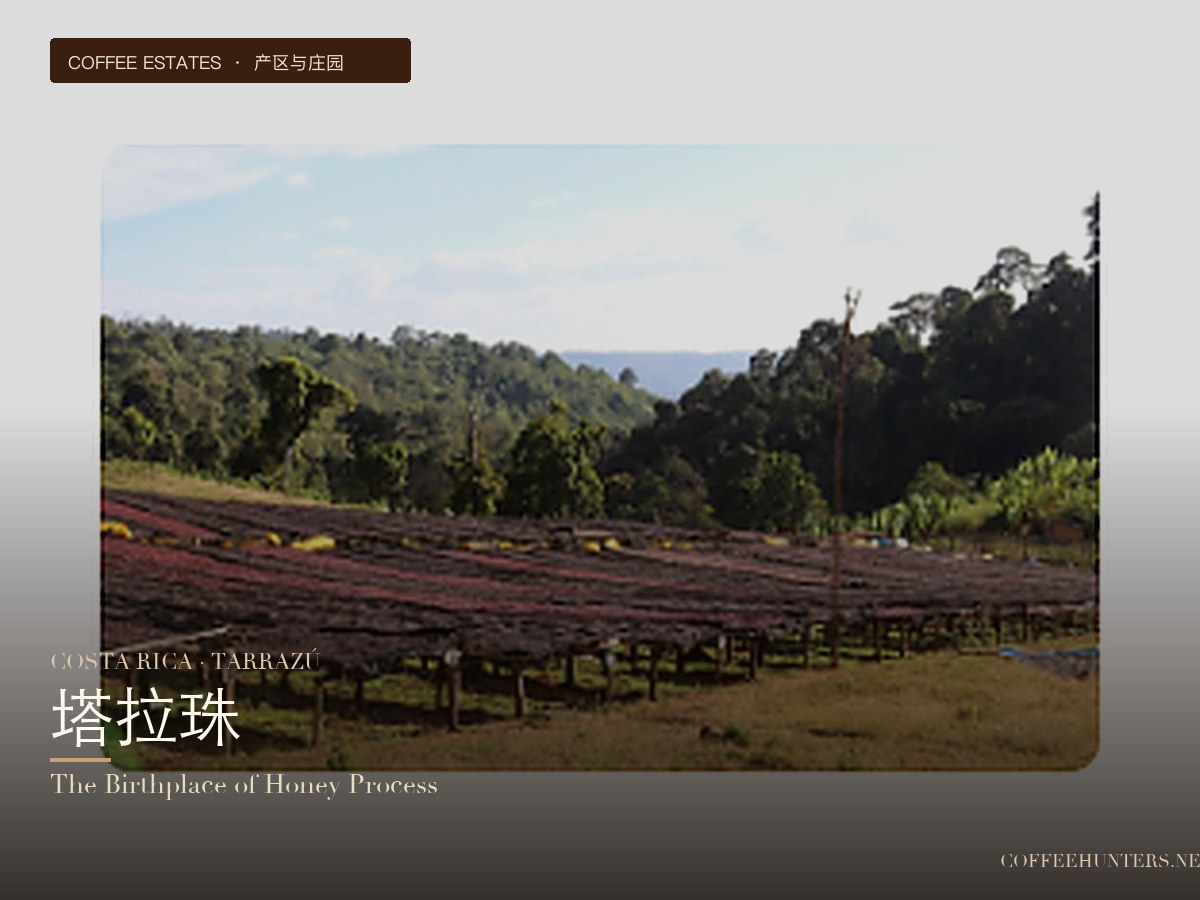
Costa Rica · Tarrazú: The Birthplace of Honey Processing
Tarrazú is Costa Rica's most renowned specialty coffee region and the birthplace of the world's "honey process" method. This article takes you through Tarrazú's geography, the birth of the honey process, and the unique flavors of this region. [more…]

Ethiopia Sidamo Hambela Huakui 4.0: Dega Variety Natural-Process Coffee Bean Flavor and Pour-Over Analysis
In 2017, a naturally processed coffee from the Buku processing station in Ethiopia won the TOH competition and was named "Huakui" by a Chinese green bean trader, thus beginning the legendary journey of this coffee. Four years later, Huakui 4.0 was released with the entirely new Dega variety, with the production area expanded several times over, more scientific cultivation and management, and even better flavor performance. This article will take you through the origin background of Huakui 4.0, the characteristics of the Dega variety, the natural processing method, and Front Street Coffee's roasting and pour-over recommendations, offering a comprehensive analysis of this highly anticipated Ethiopian coffee. [more…]
A Global Overview of Coffee Origins and Flavors: A Map of Famous Beans from Brazil Santos to Jamaica Blue Mountain
The flavor map of coffee spans three continents, and each producing region bears a unique imprint of its terroir. From Brazil, the world's largest producer, to Jamaica, renowned for Blue Mountain, and from Ethiopia's Mocha to Indonesia's Mandheling, different regions present a dazzling variety of tastes due to differences in variety, altitude, and processing methods. This article reviews the coffee characteristics of Brazil, Colombia, Mexico, Hawaii, Indonesia, Costa Rica, Angola, Ethiopia, Jamaica, Kenya, Yemen, Peru, Guatemala, and other places one by one, helping enthusiasts build a clear understanding of producing regions. 【Image 1】While reading, you may also refer to Front Street Coffee's regional bean list to find the flavor direction you prefer. [more…]

Yirgacheffe Gotiti | Does Yirgacheffe refer to a coffee variety? Recommended high-quality, delicious, and affordable single-origin Ethiopian coffee beans perfect for pour-over and cold brew
Believe it or not, many coffee newbies have heard of Yirgacheffe coffee~ Nowadays, many coffee shops offer 1-2 types of Yirgacheffe coffee beans for making single-origin coffee. Yirgacheffe coffee origin: Yirgacheffe is actually a small town in Ethiopia, and as long as it is grown and produced in this town, [more…]
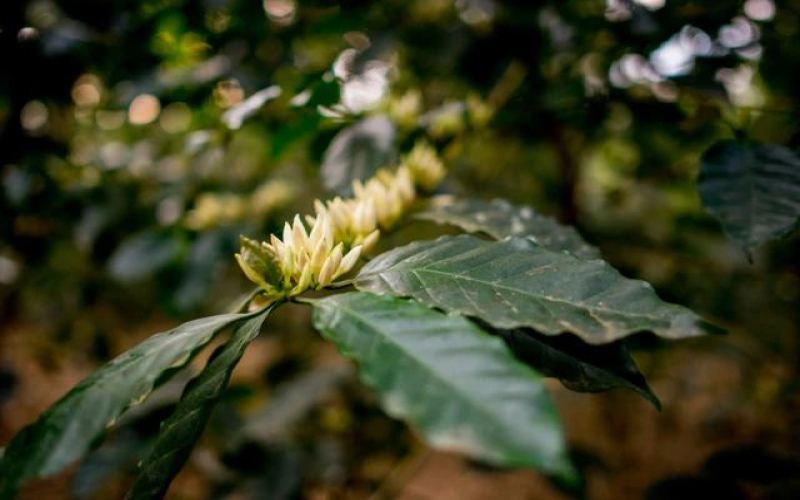
An Inland Gem of the Indochinese Peninsula: The Complete Story of Lao Coffee from Colonial Introduction to Modern Production Regions
In the Asian coffee landscape, Indonesia's Mandheling and Vietnam's massive output often dominate the conversation, while the coffee story of landlocked Laos is rarely mentioned. This country, bordering China, Vietnam, and Thailand, nurtures a mild and smooth coffee flavor thanks to the high altitude, abundant rainfall, and volcanic soil of the Bolaven Plateau. From the introduction of Typica and Bourbon during the French colonial period, to the shift toward Robusta after war and disease, and now to a diverse landscape where Arabica accounts for one-third, Lao coffee has weathered a century of ups and downs. This article will walk you through the historical trajectory, core production regions, and current state of the Lao coffee industry, along with relevant recommendations from the Front Street brand. [more…]
A Complete Guide to Specialty Arabica Coffee Beans: Flavors and Origins from Heirloom Varieties to Hybrid Cultivars
The Coffea genus encompasses a vast number of species, yet the specialty coffee stage is dominated primarily by high-altitude Arabica. From Ethiopia's ancient Typica and Yemen's Bourbon to the spontaneously mutated Bourbon Pointu, Maragogype, and Geisha, and on to deliberately bred varieties such as Caturra and Pacas as well as interspecific hybrids, behind every name lies a story of migration and flavor. This article systematically sorts through the main varieties of specialty Arabica, their origins and lineage, and their cupping performance, and explains why hybrids rarely appear in the product lines of specialty coffee suppliers such as Front Street Coffee. Whether you are a newcomer or a seasoned enthusiast, this variety map will help you understand more clearly where the flavors in your cup come from. [more…]